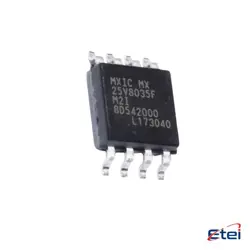
이미지는 참조용입니다.
10M16SCE144I7G
+BOMIC FPGA 101 I/O 144EQFP
-
제조업체알트라
-
제조업체 부품 #10M16SCE144I7G
-
재고7877
365 1일 품질 보증
7*24 영업 시간 서비스 보증
90-판매 후 1일 보증
정품 보증
사양
| 속성 | 가치 |
| Series | MAX® 10 |
| PartStatus | Active |
| DigiKeyProgrammable | Not Verified |
| NumberofLogicElements/Cells | 16000 |
| TotalRAMBits | 562176 |
| NumberofI/O | 101 |
| Voltage-Supply | 2.85V ~ 3.465V |
| MountingType | Surface Mount |
| OperatingTemperature | -40°C ~ 100°C (TJ) |
| Package/Case | 144-LQFP Exposed Pad |
| SupplierDevicePackage | 144-EQFP (20x20) |
| NumberofLABs/CLBs | 1000 |
개요
Description
The term "10M16SCE144I7G" likely refers to a specific model of an FPGA (Field-Programmable Gate Array) manufactured by Intel (formerly Altera). Specifically, this code denotes a model from the MAX 10 series. Let's break it down:
- 10M16: Indicates the device family and capacity. In this case, "10M" refers to the MAX 10 series, and "16" typically represents the logic element capacity, approximately 16,000 logic elements.
- SCE: This stands for the specific type of device and features like power supply and temperature range. "SCE" often implies a certain configuration of speed grade and temperature tolerance.
- 144: This indicates the number of pins on the package. A 144-pin package suggests a specific form factor and connectivity options.
- I7G: This segment may refer to other specifications like industrial temperature range ("I"), speed grade ("7"), and package type or lead finish ("G").
The MAX 10 FPGAs are known for their non-volatile architecture, low power consumption, and integrated features like ADCs. These are used in applications requiring flexibility, such as prototyping and embedded systems.
- 10M16: Indicates the device family and capacity. In this case, "10M" refers to the MAX 10 series, and "16" typically represents the logic element capacity, approximately 16,000 logic elements.
- SCE: This stands for the specific type of device and features like power supply and temperature range. "SCE" often implies a certain configuration of speed grade and temperature tolerance.
- 144: This indicates the number of pins on the package. A 144-pin package suggests a specific form factor and connectivity options.
- I7G: This segment may refer to other specifications like industrial temperature range ("I"), speed grade ("7"), and package type or lead finish ("G").
The MAX 10 FPGAs are known for their non-volatile architecture, low power consumption, and integrated features like ADCs. These are used in applications requiring flexibility, such as prototyping and embedded systems.
Equivalent
The 10M16SCE144I7G is an Intel MAX 10 FPGA. Equivalent products would be other FPGAs in the MAX 10 family with similar logic elements, I/O pins, and package types, such as the 10M16SAE144C8G. Additionally, FPGAs from other manufacturers with comparable specifications, like the Xilinx Artix-7 series or Lattice ECP5 series, might serve as alternatives, but direct equivalents may differ in architecture and features. Always check datasheets for compatibility.
Features
The model number "10M16SCE144I7G" refers to a specific Intel FPGA from the Cyclone 10 family. Here are its key features:
1. Logic Elements (LEs): It includes approximately 16,000 LEs, suitable for moderate complexity designs.
2. Package: Comes in a 144-pin EQFP package, offering a compact form factor.
3. Performance: Designed for moderate-speed applications with a maximum clock frequency typically around 150 MHz.
4. Embedded Memory: Provides M10K memory blocks to store data and enable efficient data processing.
5. I/O Pins: Offers a significant number of general-purpose I/O pins, suitable for connecting to various peripherals.
6. Power Consumption: Optimized for low power consumption, making it ideal for cost-sensitive and power-efficient applications.
7. Temperature Range: Supports operation in industrial temperature ranges, ensuring reliability in harsh environments.
8. Development Support: Compatible with Intel’s Quartus Prime software for design and development.
9. Applications: Suitable for applications such as industrial automation, automotive systems, and consumer electronics.
These features make the 10M16SCE144I7G a versatile choice for various FPGA-based projects.
1. Logic Elements (LEs): It includes approximately 16,000 LEs, suitable for moderate complexity designs.
2. Package: Comes in a 144-pin EQFP package, offering a compact form factor.
3. Performance: Designed for moderate-speed applications with a maximum clock frequency typically around 150 MHz.
4. Embedded Memory: Provides M10K memory blocks to store data and enable efficient data processing.
5. I/O Pins: Offers a significant number of general-purpose I/O pins, suitable for connecting to various peripherals.
6. Power Consumption: Optimized for low power consumption, making it ideal for cost-sensitive and power-efficient applications.
7. Temperature Range: Supports operation in industrial temperature ranges, ensuring reliability in harsh environments.
8. Development Support: Compatible with Intel’s Quartus Prime software for design and development.
9. Applications: Suitable for applications such as industrial automation, automotive systems, and consumer electronics.
These features make the 10M16SCE144I7G a versatile choice for various FPGA-based projects.
Pinout
The 10M16SCE144I7G is a member of the Intel MAX 10 FPGA family. It comes in a 144-pin EQFP (Enhanced Quad Flat Pack) package. This device includes features such as:
- Logic Elements (LEs): It offers 16,000 logic elements for general-purpose logic functions.
- Embedded Memory: The device includes embedded memory blocks for data storage and processing.
- DSP Blocks: It contains dedicated DSP blocks for signal processing applications.
- General Purpose I/O: Configurable I/O pins are available for interfacing with other components.
- Embedded Flash Memory: The MAX 10 FPGA includes on-chip flash memory for configuration and storage.
- Analog Functions: It supports analog capabilities such as ADC (Analog-to-Digital Converter).
The 10M16SCE144I7G is designed for a wide range of applications in industrial, automotive, and consumer electronics due to its diverse functionality and reconfigurability. It is particularly suitable for applications requiring low power consumption, efficient processing, and flexible interfacing options.
- Logic Elements (LEs): It offers 16,000 logic elements for general-purpose logic functions.
- Embedded Memory: The device includes embedded memory blocks for data storage and processing.
- DSP Blocks: It contains dedicated DSP blocks for signal processing applications.
- General Purpose I/O: Configurable I/O pins are available for interfacing with other components.
- Embedded Flash Memory: The MAX 10 FPGA includes on-chip flash memory for configuration and storage.
- Analog Functions: It supports analog capabilities such as ADC (Analog-to-Digital Converter).
The 10M16SCE144I7G is designed for a wide range of applications in industrial, automotive, and consumer electronics due to its diverse functionality and reconfigurability. It is particularly suitable for applications requiring low power consumption, efficient processing, and flexible interfacing options.
Manufacturer
The 10M16SCE144I7G is manufactured by Intel Corporation. This specific product is part of Intel's FPGA (Field-Programmable Gate Array) offerings, which were originally developed by Altera Corporation before its acquisition by Intel in 2015.
Intel Corporation is a multinational technology company headquartered in Santa Clara, California. It is one of the world's largest and most prominent semiconductor chip manufacturers. Intel designs and develops microprocessors, integrated graphics chips, and other semiconductor products used in computers, servers, and other electronic devices. The company serves various industries, including computing, data center, Internet of Things (IoT), and more, providing solutions for a wide range of technological applications.
Intel Corporation is a multinational technology company headquartered in Santa Clara, California. It is one of the world's largest and most prominent semiconductor chip manufacturers. Intel designs and develops microprocessors, integrated graphics chips, and other semiconductor products used in computers, servers, and other electronic devices. The company serves various industries, including computing, data center, Internet of Things (IoT), and more, providing solutions for a wide range of technological applications.
Application
The 10M16SCE144I7G is a member of Intel's MAX 10 FPGA family. It is typically used in applications requiring a balance of low power consumption and programmable logic capabilities. Common application areas include:
1. Industrial Automation: For custom control logic and interfacing with sensors and actuators.
2. Consumer Electronics: In devices that require flexible and efficient processing.
3. Data Acquisition Systems: For real-time data processing and signal conditioning.
4. Communications: To implement custom protocols and data encapsulation.
5. Embedded Systems: As a processing and interfacing unit in various embedded devices.
Its integration of flash memory, analog-to-digital converters, and a range of I/O options make it versatile for various applications.
1. Industrial Automation: For custom control logic and interfacing with sensors and actuators.
2. Consumer Electronics: In devices that require flexible and efficient processing.
3. Data Acquisition Systems: For real-time data processing and signal conditioning.
4. Communications: To implement custom protocols and data encapsulation.
5. Embedded Systems: As a processing and interfacing unit in various embedded devices.
Its integration of flash memory, analog-to-digital converters, and a range of I/O options make it versatile for various applications.
Package
The package type of the 10M16SCE144I7G is EQFP (Thin Quad Flat Pack), specifically a 144-pin EQFP.