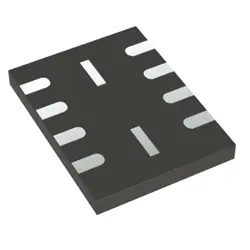
이미지는 참조용입니다.
PDTC144EU/L115
+BOMPDTC144E SERIES - NPN RESISTOR-E
-
제조업체은지포미국주식회사
-
제조업체 부품 #PDTC144EU/L115
-
데이터시트 PDTC144EU/L115 DataSheet
-
재고9530
365 1일 품질 보증
7*24 영업 시간 서비스 보증
90-판매 후 1일 보증
정품 보증
사양
| 속성 | 가치 |
| Package | Bulk |
| ProductStatus | Active |
개요
Description
- PDTC might indicate the department or subject area. This could be an acronym for a specialized field or program.
- 144EU could specify the course's level or category, such as an advanced subject or a particular focus within the discipline.
- L115 might refer to a specific section, version, or session of the course.
To gain a comprehensive understanding of PDTC144EU/L115, including its content, objectives, and prerequisites, it would be ideal to consult the institution's course catalog or syllabus. This will offer detailed insights into what the course covers, its goals, and who it is designed for. If you are affiliated with an institution offering this course, reaching out to academic advisors or faculty members could provide further clarity.
Equivalent
1. BC847BPN - a dual NPN transistor with integrated resistors.
2. MUN2114 - a digital transistor with built-in resistors.
3. DTC144EKA - a similar digital NPN transistor with an internal resistor.
4. FJN3303R - an NPN digital transistor with resistor network.
When selecting equivalents, ensure pin configurations and electrical characteristics match your application requirements.
Features
Some key features may include:
- Compact package, often in a surface-mount form like SOT-23, making it suitable for high-density circuit boards.
- Pre-set biasing resistors that help determine the base current, offering consistent performance and reducing design complexity.
- Designed to handle moderate power levels, typically suitable for low to medium current applications.
- Widely used in applications such as signal processing, switching loads, and interfacing logic signals to higher power devices.
These features make the PDTC144EU/L115 a cost-effective and efficient choice for simplifying circuit designs in a variety of electronic devices.
Pinout
Here are the pin functions:
1. Pin 1 (Base - Input): This pin is connected to an internal resistor network used for biasing the transistor.
2. Pin 2 (Emitter - Ground): This pin is usually connected to ground in a typical circuit configuration.
3. Pin 3 (Collector - Output): This pin acts as the output and is connected to the load in the circuit.
This transistor is used for switching and amplification purposes and is designed to reduce the need for external biasing components, thus simplifying circuit designs and saving board space.
Manufacturer
Application
1. Signal Processing: It is used in amplifying and conditioning signals for accurate digital conversion.
2. Automotive Systems: Essential in managing sensor inputs and outputs for various vehicle electronic systems.
3. Consumer Electronics: Utilized in audio and video equipment for improving signal quality.
4. Industrial Automation: Applied in control systems to ensure precise functioning of machinery.
5. Communication Devices: Enhances signal integrity in devices like smartphones and radios.
These applications leverage the component's ability to maintain high accuracy and reliability in varied electronic environments.