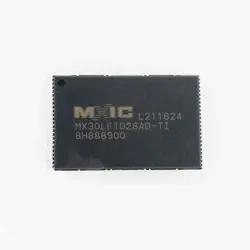
이미지는 참조용입니다.
STM32F767IGT6
+BOMIC MCU 32BIT 1MB FLASH 176LQFP
-
제조업체ST마이크로일렉트로닉스(주)
-
제조업체 부품 #STM32F767IGT6
-
데이터시트 STM32F767IGT6 DataSheet
-
패키지 LQFP-176
-
재고1799
365 1일 품질 보증
7*24 영업 시간 서비스 보증
90-판매 후 1일 보증
정품 보증
사양
| 속성 | 가치 |
| Package | Tray |
| Series | STM32F7 |
| ProductStatus | Active |
| CoreProcessor | ARM® Cortex®-M7 |
| CoreSize | 32-Bit Single-Core |
| Speed | 216MHz |
| Connectivity | CANbus, EBI/EMI, Ethernet, I²C, IrDA, LINbus, MMC/SD/SDIO, QSPI, SAI, SPDIF, SPI, UART/USART, USB OTG |
| Peripherals | Brown-out Detect/Reset, DMA, I²S, LCD, POR, PWM, WDT |
| NumberofI/O | 140 |
| ProgramMemorySize | 1MB (1M x 8) |
| ProgramMemoryType | FLASH |
| RAMSize | 512K x 8 |
| Voltage-Supply(Vcc/Vdd) | 1.7V ~ 3.6V |
| DataConverters | A/D 24x12b; D/A 2x12b |
| OscillatorType | Internal |
| OperatingTemperature | -40°C ~ 85°C (TA) |
| MountingType | Surface Mount |
| Package/Case | 176-LQFP |
개요
Description
The device is equipped with a suite of digital and analog peripherals, such as a 12-bit ADC, DAC, timers, and an RTC. It also supports graphics with an LCD-TFT controller, making it suitable for applications requiring a graphical user interface. The STM32F767IGT6 is ideal for industrial control, IoT, consumer electronics, and medical devices, where high performance and connectivity are crucial. It is available in a 176-pin LQFP package, making it suitable for various design requirements. Additionally, it benefits from ST's extensive STM32 ecosystem, including development tools and libraries.
Equivalent
1. STM32F769IGT6 - Another STM32 model with similar features but slightly advanced.
2. NXP i.MX RT1050 - Offers similar Cortex-M7 performance.
3. Atmel SAM E70 - Based on Cortex-M7 with comparable capabilities.
4. Texas Instruments TM4C129x - A Cortex-M4 but often used in similar applications.
5. Infineon XMC4700 - Cortex-M4, used in high-performance applications similar to STM32F7 series.
Specifications and suitability should be verified based on specific application needs.
Features
1. Core: ARM Cortex-M7, operating at up to 216 MHz.
2. Memory: 2 MB Flash, 512 KB SRAM, with additional 16 KB+64 KB TCM and 4 KB backup SRAM.
3. Connectivity: Multiple interfaces, including 3x USART, 4x UART, 6x SPI, 3x I2C, 2x CAN, 1x SDMMC, and Ethernet.
4. Timers: 16 timers, including 2x advanced-control for motor control.
5. Analog: 3x 12-bit ADCs, 2x 12-bit DACs, and 1x temperature sensor.
6. Digital: USB OTG FS/HS, Camera interface, and Flexible static memory controller.
7. Graphics: TFT LCD controller.
8. Security: True random number generator and CRC calculation unit.
9. Power: Wide range of power-saving modes.
10. Package: LQFP-176.
These features make it suitable for complex applications such as industrial control, consumer electronics, and IoT devices.
Pinout
Key Features:
- Core: ARM Cortex-M7, 32-bit RISC core.
- Memory: Up to 2 MB of Flash memory, 512 KB of RAM.
- Operating Frequency: Up to 216 MHz.
- I/O Pins: 140 general-purpose I/Os.
- Peripherals:
- USB OTG full-speed and high-speed
- Three 12-bit ADCs
- Two DACs
- 14 TIMers (including advanced control timers)
- Flexible static memory controller, supporting various memory types
- USARTs, I2Cs, SPIs
- SDMMC, CAN, Ethernet MAC
- Advanced Features: TFT LCD controller, JPEG codec, Chrom-ART Accelerator™, and hardware cryptographic processor.
This microcontroller targets demanding applications that require high processing power and multiple interfaces, like signal processing, motor control, and connectivity solutions.
Manufacturer
Application
1. Industrial Automation: For motor control, programmable logic controllers, and process automation systems.
2. Consumer Electronics: Used in smart home devices, audio processing, and multimedia applications.
3. IoT Devices: Facilitates connectivity and data processing in Internet of Things applications.
4. Healthcare: Powers medical devices requiring precise control and data management.
5. Automotive: Utilized for infotainment systems, advanced driver-assistance systems (ADAS), and vehicle control modules.
6. Aerospace and Defense: Employed in avionics systems, navigation, and secure communications.
Its robust architecture supports demanding applications requiring real-time performance and connectivity.