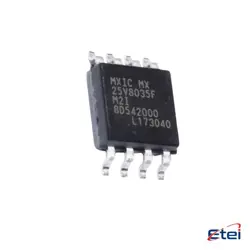
이미지는 참조용입니다.
TJA1042T118
+BOMTJA1042T - HIGH-SPEED CAN TRANSC
-
제조업체은지포미국주식회사
-
제조업체 부품 #TJA1042T118
-
데이터시트 TJA1042T118 DataSheet
-
패키지 SOIC-8
-
재고3117
365 1일 품질 보증
7*24 영업 시간 서비스 보증
90-판매 후 1일 보증
정품 보증
사양
| 속성 | 가치 |
| Package | Bulk |
| ProductStatus | Active |
개요
Description
Key features of the TJA1042T118 include low electromagnetic emission and high immunity against electromagnetic interference, making it suitable for environments with significant electronic noise. It supports data rates up to 1 Mbps and is compliant with the ISO 11898-2 standard, ensuring compatibility with other CAN devices. The device also includes built-in protection against undervoltage, thermal shutdown, and short circuits, enhancing its durability and operational safety. Its low power consumption in standby mode is beneficial for battery-powered systems. Overall, the TJA1042T118 is valued for its efficiency, reliability, and compliance with industry standards in CAN communication systems.
Equivalent
Features
1. High-Speed Performance: Supports data rates up to 1 Mbps.
2. Low Electromagnetic Emission (EME): Minimizes interference with robust electromagnetic compatibility.
3. Standby Mode: Reduces power consumption when the bus is idle, enhancing energy efficiency.
4. Wake-Up Capability: Supports remote wake-up via CAN bus, enabling transition from standby to active modes.
5. Overload and Short-Circuit Protection: Safeguards the device and network from damage.
6. Thermal Protection: Automatically shuts down in the event of overheating.
7. ESD Protection: Offers high-level electrostatic discharge protection.
8. Wide Supply Voltage Range: Operates from a wide voltage range, suitable for various applications.
9. Bus Failure Management: Detects and handles bus failures to maintain communication integrity.
10. ISO 11898-2 Compliant: Adheres to the CAN standard, ensuring compatibility with other CAN devices.
These features make the TJA1042T118 an ideal choice for robust and reliable CAN communication in demanding environments.
Pinout
1. TXD (Pin 1): Transmit Data Input - Connected to the microcontroller to send data to the bus.
2. GND (Pin 2): Ground - Connects to the system ground.
3. VCC (Pin 3): Supply Voltage Input - Powers the transceiver, typically 4.75V to 5.25V.
4. RXD (Pin 4): Receive Data Output - Outputs the data received from the CAN bus to the microcontroller.
5. VIO (Pin 5): I/O Level Supply Pin - Sets logic levels for TXD, RXD, and STB pins, compatible with low voltage microcontrollers.
6. CANL (Pin 6): CAN Low-Level Voltage I/O - Connects to the CAN bus line.
7. CANH (Pin 7): CAN High-Level Voltage I/O - Connects to the CAN bus line.
8. STB (Pin 8): Standby Mode Control Input - Controls the low-power standby mode of the transceiver.
This transceiver is utilized to interface a microcontroller with a CAN bus, ensuring robust communication in high-speed applications.
Manufacturer
Application
1. Automotive Networking: Facilitates communication in electronic control units (ECUs) for vehicle systems like engine management, transmission, and braking.
2. Industrial Automation: Supports communication in machinery and factory automation systems, ensuring reliable data transfer.
3. Robotics: Enables communication between robotic components, crucial for synchronized operations.
4. HVAC Systems: Used in climate control systems to manage and distribute information efficiently.
5. Smart Grids: Enhances data exchange in power distribution systems for efficient energy management.
These applications leverage its robust performance in harsh environments, low electromagnetic emissions, and high-speed data transmission capabilities.