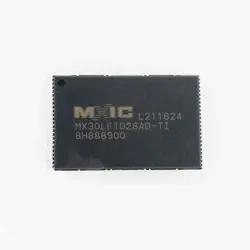
이미지는 참조용입니다.
TLV320AIC32IRHBR
+BOMIC STEREO AUDIO CODEC 32-VQFN
-
제조업체텍사스 인스트루먼트(주)
-
제조업체 부품 #TLV320AIC32IRHBR
-
재고6099
365 1일 품질 보증
7*24 영업 시간 서비스 보증
90-판매 후 1일 보증
정품 보증
사양
| 속성 | 가치 |
| Part Status | Active |
| Base Product Number | TLV320 |
| Type | Stereo Audio |
| Data Interface | PCM Audio Interface |
| Resolution (Bits) | 24 b |
| Number of AD Cs / DA Cs | 2 / 2 |
| Sigma Delta | Yes |
| S / N Ratio, AD Cs / DA Cs (db) Typ | 92 / 100 |
| Dynamic Range, AD Cs / DA Cs (db) Typ | 92 / 100 |
| Voltage - Supply, Analog | 2.7V ~ 3.6V |
| Voltage - Supply, Digital | 1.65V ~ 1.95V |
| Operating Temperature | -40°C ~ 85°C |
| Mounting Type | Surface Mount |
| Package / Case | 32-VFQFN Exposed Pad |
| Supplier Device Package | 32-VQFN (5x5) |
| Packaging | Tape & Reel (TR) |
개요
Description
The TLV320AIC32IRHBR is a highly integrated, low-power stereo audio codec designed for portable audio applications. It is part of Texas Instruments' TLV320AIC32 series and is known for its versatility and performance in audio signal processing. The codec features stereo audio DACs and ADCs, supporting various audio formats with high-quality 24-bit resolution and sampling rates up to 96 kHz.
One of the standout features of the TLV320AIC32IRHBR is its programmable digital filters and integrated miniDSP, enabling customization of audio processing tasks. The device also includes features like programmable gain amplifiers, an integrated PLL for flexible clocking, and a variety of audio interfaces including I2S, LJ, RJ, and DSP modes.
With its low power consumption and small QFN package, the TLV320AIC32IRHBR is ideal for battery-operated devices such as smartphones, portable media players, and hands-free kits. Its comprehensive feature set allows for efficient audio management and enhanced sound quality in compact consumer electronics.
One of the standout features of the TLV320AIC32IRHBR is its programmable digital filters and integrated miniDSP, enabling customization of audio processing tasks. The device also includes features like programmable gain amplifiers, an integrated PLL for flexible clocking, and a variety of audio interfaces including I2S, LJ, RJ, and DSP modes.
With its low power consumption and small QFN package, the TLV320AIC32IRHBR is ideal for battery-operated devices such as smartphones, portable media players, and hands-free kits. Its comprehensive feature set allows for efficient audio management and enhanced sound quality in compact consumer electronics.
Equivalent
The TLV320AIC32IRHBR is an audio codec used in various applications requiring analog-to-digital and digital-to-analog conversion. Equivalent products include:
1. Analog Devices ADAU1772: An audio codec with similar features.
2. Cirrus Logic CS42L51: A low-power stereo codec.
3. Maxim Integrated MAX98090: Low-power stereo audio codec.
4. Wolfson Microelectronics WM8731: Stereo audio codec with integrated headphone driver.
These alternatives may vary in specific features, power consumption, and performance, so it’s important to review their datasheets for compatibility.
1. Analog Devices ADAU1772: An audio codec with similar features.
2. Cirrus Logic CS42L51: A low-power stereo codec.
3. Maxim Integrated MAX98090: Low-power stereo audio codec.
4. Wolfson Microelectronics WM8731: Stereo audio codec with integrated headphone driver.
These alternatives may vary in specific features, power consumption, and performance, so it’s important to review their datasheets for compatibility.
Features
The TLV320AIC32IRHBR is a low-power, highly integrated stereo audio codec designed for portable and battery-powered audio applications. Key features include:
1. Stereo Audio Codec: Supports stereo playback and recording with 24-bit resolution and sampling rates up to 96 kHz.
2. Low Power Consumption: Optimized for battery-powered applications with flexible power management options.
3. Integrated DAC and ADC: Includes high-performance digital-to-analog converters (DAC) and analog-to-digital converters (ADC).
4. Support for Audio Processing: Features programmable digital signal processing for audio effects and equalization.
5. Multiple Audio Interfaces: Offers various digital audio interfaces, including I2S, Left-Justified, and DSP.
6. Analog Input/Output: Provides multiple analog inputs and outputs, supporting microphone and line inputs.
7. Advanced Power Management: Includes a programmable power management unit to extend battery life.
8. Small Package: Available in a compact 32-pin QFN package for space-constrained designs.
These features make it suitable for smartphones, portable media players, and other audio devices requiring high-quality audio performance with low power consumption.
1. Stereo Audio Codec: Supports stereo playback and recording with 24-bit resolution and sampling rates up to 96 kHz.
2. Low Power Consumption: Optimized for battery-powered applications with flexible power management options.
3. Integrated DAC and ADC: Includes high-performance digital-to-analog converters (DAC) and analog-to-digital converters (ADC).
4. Support for Audio Processing: Features programmable digital signal processing for audio effects and equalization.
5. Multiple Audio Interfaces: Offers various digital audio interfaces, including I2S, Left-Justified, and DSP.
6. Analog Input/Output: Provides multiple analog inputs and outputs, supporting microphone and line inputs.
7. Advanced Power Management: Includes a programmable power management unit to extend battery life.
8. Small Package: Available in a compact 32-pin QFN package for space-constrained designs.
These features make it suitable for smartphones, portable media players, and other audio devices requiring high-quality audio performance with low power consumption.
Pinout
The TLV320AIC32IRHBR is an audio codec integrated circuit (IC) that comes in a 32-pin VQFN (Very Thin Quad Flat No-Lead) package. This IC is designed for portable digital audio applications and provides high-resolution, stereo audio playback and record functionality.
Key functions of the TLV320AIC32IRHBR include:
1. Stereo Audio Codec: It supports stereo playback and recording, offering high-quality audio processing.
2. DAC and ADC: The device includes a Digital-to-Analog Converter (DAC) and an Analog-to-Digital Converter (ADC) with a dynamic range of 100 dB for DAC and 90 dB for ADC.
3. Integrated MiniDSP: It features an integrated miniDSP for audio enhancement and custom processing.
4. Power Management: The IC includes various power-saving features, making it suitable for battery-powered applications.
5. Flexible Audio Routing: It allows flexible routing of audio signals with its programmable signal paths.
6. I2C/SPI Control Interface: The device supports both I2C and SPI interfaces for control and configuration.
These functions make the TLV320AIC32IRHBR suitable for various consumer electronics, including smartphones, tablets, and other portable audio devices.
Key functions of the TLV320AIC32IRHBR include:
1. Stereo Audio Codec: It supports stereo playback and recording, offering high-quality audio processing.
2. DAC and ADC: The device includes a Digital-to-Analog Converter (DAC) and an Analog-to-Digital Converter (ADC) with a dynamic range of 100 dB for DAC and 90 dB for ADC.
3. Integrated MiniDSP: It features an integrated miniDSP for audio enhancement and custom processing.
4. Power Management: The IC includes various power-saving features, making it suitable for battery-powered applications.
5. Flexible Audio Routing: It allows flexible routing of audio signals with its programmable signal paths.
6. I2C/SPI Control Interface: The device supports both I2C and SPI interfaces for control and configuration.
These functions make the TLV320AIC32IRHBR suitable for various consumer electronics, including smartphones, tablets, and other portable audio devices.
Manufacturer
The TLV320AIC32IRHBR is manufactured by Texas Instruments (TI). Texas Instruments is a well-known American technology company that designs and manufactures semiconductors and various integrated circuits, which are sold to electronics designers and manufacturers globally. TI's products are used in a wide range of applications, including industrial, automotive, personal electronics, communications equipment, and enterprise systems. With a focus on innovation, Texas Instruments is a leader in the semiconductor industry, providing solutions that help drive the electronics market forward with advanced technology and reliable products.
Application
The TLV320AIC32IRHBR is a low-power stereo audio codec with applications in various audio processing and management systems. Key application areas include:
1. Portable Audio Devices: Utilized in MP3 players, smartphones, and tablets for high-quality audio playback and recording.
2. Voice Communication Systems: Employed in VoIP phones, hands-free car kits, and headsets to improve audio clarity.
3. Embedded Systems: Integrated into microcontroller-based projects requiring audio input/output, such as development boards and audio processing units.
4. Consumer Electronics: Used in digital cameras, camcorders, and gaming consoles for enhanced audio capabilities.
5. Medical Devices: Incorporated into hearing aids and other diagnostic equipment needing precise audio input/output.
These applications benefit from the codec's efficient power consumption and high-performance audio features.
1. Portable Audio Devices: Utilized in MP3 players, smartphones, and tablets for high-quality audio playback and recording.
2. Voice Communication Systems: Employed in VoIP phones, hands-free car kits, and headsets to improve audio clarity.
3. Embedded Systems: Integrated into microcontroller-based projects requiring audio input/output, such as development boards and audio processing units.
4. Consumer Electronics: Used in digital cameras, camcorders, and gaming consoles for enhanced audio capabilities.
5. Medical Devices: Incorporated into hearing aids and other diagnostic equipment needing precise audio input/output.
These applications benefit from the codec's efficient power consumption and high-performance audio features.
Package
The TLV320AIC32IRHBR is packaged in a 32-pin VQFN (Very Thin Quad Flat No-lead) package.