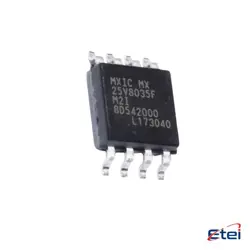
이미지는 참조용입니다.
XCKU040-1FFVA1156I
+BOMIC FPGA 520 I/O 1156FCBGA
-
제조업체AMD
-
제조업체 부품 #XCKU040-1FFVA1156I
-
재고8806
365 1일 품질 보증
7*24 영업 시간 서비스 보증
90-판매 후 1일 보증
정품 보증
사양
| 속성 | 가치 |
| Series | Kintex® UltraScale™ |
| Part Status | Active |
| Digi Key Programmable | Not Verified |
| Number of Logic Elements / Cells | 530250 |
| Total RAM Bits | 21606000 |
| Number of I/O | 520 |
| Voltage - Supply | 0.922V ~ 0.979V |
| Mounting Type | Surface Mount |
| Operating Temperature | -40°C ~ 100°C (TJ) |
| Package / Case | 1156-BBGA, FCBGA |
| Supplier Device Package | 1156-FCBGA (35x35) |
| Base Product Number | XCKU040 |
| Number of LA Bs / CL Bs | 30300 |
개요
Description
The XCKU040-1FFVA1156I is a model within the Xilinx Kintex UltraScale FPGA family. These FPGAs are designed to provide a balance of high performance and low power consumption, making them suitable for a wide range of applications including data centers, wireless communication, and broadcast. The "040" in the model number indicates the logic density of the FPGA, which is approximately 440,000 logic cells. The device features advanced programmable logic blocks, high-speed transceivers, and extensive I/O capabilities.
The package type "FFVA1156" indicates the specific form factor and pin count of the device, which is crucial for integration into hardware systems. The "1" represents the speed grade of the FPGA, with lower numbers typically indicating faster performance.
Kintex UltraScale FPGAs are built on a 20nm process technology and offer features like improved signal integrity and power efficiency. They support a wide range of design tools and IP cores, which facilitate the development of complex digital circuits and systems. Overall, the XCKU040-1FFVA1156I is suited for high-performance applications requiring efficient processing capabilities.
The package type "FFVA1156" indicates the specific form factor and pin count of the device, which is crucial for integration into hardware systems. The "1" represents the speed grade of the FPGA, with lower numbers typically indicating faster performance.
Kintex UltraScale FPGAs are built on a 20nm process technology and offer features like improved signal integrity and power efficiency. They support a wide range of design tools and IP cores, which facilitate the development of complex digital circuits and systems. Overall, the XCKU040-1FFVA1156I is suited for high-performance applications requiring efficient processing capabilities.
Equivalent
The XCKU040-1FFVA1156I is a Xilinx Kintex UltraScale FPGA. Equivalent products could include:
1. Intel: Stratix 10 or Arria 10 series FPGAs, depending on specific performance and feature requirements.
2. Microchip (Microsemi): PolarFire FPGAs, which offer similar performance levels for cost-sensitive applications.
3. Lattice Semiconductor: ECP5 series, although typically for less demanding applications.
Selection depends on application needs, such as logic density, power consumption, and specific features like DSP blocks or transceivers.
1. Intel: Stratix 10 or Arria 10 series FPGAs, depending on specific performance and feature requirements.
2. Microchip (Microsemi): PolarFire FPGAs, which offer similar performance levels for cost-sensitive applications.
3. Lattice Semiconductor: ECP5 series, although typically for less demanding applications.
Selection depends on application needs, such as logic density, power consumption, and specific features like DSP blocks or transceivers.
Features
The XCKU040-1FFVA1156I is part of the Xilinx Kintex UltraScale FPGA family, designed for applications requiring high performance and low power consumption. Key features include:
1. Architecture: 20nm UltraScale architecture that provides high-performance scaling and improved system integration capabilities.
2. Logic Cells: Approximately 478,000 logic cells, facilitating complex computations and logic functions.
3. Memory: It includes abundant on-chip memory resources, such as block RAM and UltraRAM, enhancing data throughput and storage capabilities.
4. DSP Slices: Contains numerous DSP slices for efficient signal processing tasks.
5. I/O: Provides a wide range of I/O flexibility, supporting multiple standards and enabling high-speed connectivity.
6. Transceivers: High-speed transceivers for up to 16.3 Gbps data rates, supporting advanced communication protocols and data transfer tasks.
7. Power Efficiency: Optimized for low power consumption while maintaining high performance levels.
8. Package: Comes in a 1156-pin flip-chip ball grid array (FFVA1156) for enhanced thermal and electrical performance.
This FPGA is suitable for a variety of applications, including communications, data center, and industrial systems.
1. Architecture: 20nm UltraScale architecture that provides high-performance scaling and improved system integration capabilities.
2. Logic Cells: Approximately 478,000 logic cells, facilitating complex computations and logic functions.
3. Memory: It includes abundant on-chip memory resources, such as block RAM and UltraRAM, enhancing data throughput and storage capabilities.
4. DSP Slices: Contains numerous DSP slices for efficient signal processing tasks.
5. I/O: Provides a wide range of I/O flexibility, supporting multiple standards and enabling high-speed connectivity.
6. Transceivers: High-speed transceivers for up to 16.3 Gbps data rates, supporting advanced communication protocols and data transfer tasks.
7. Power Efficiency: Optimized for low power consumption while maintaining high performance levels.
8. Package: Comes in a 1156-pin flip-chip ball grid array (FFVA1156) for enhanced thermal and electrical performance.
This FPGA is suitable for a variety of applications, including communications, data center, and industrial systems.
Pinout
The XCKU040-1FFVA1156I is a member of the Xilinx Kintex UltraScale FPGA family. It comes in an FFVA1156 package, which indicates a specific pin configuration and package size. The "1156" in the package name signifies that this FPGA has a total of 1156 pins.
The functions of these pins include:
1. Power and Ground Pins: These supply power to the internal circuits and provide grounding.
2. Configuration Pins: Used for programming the FPGA, including modes like JTAG and other configuration interfaces.
3. General-Purpose I/O (GPIO): These pins can be used for various user-defined functions and are configurable as input, output, or bidirectional.
4. Clock Pins: Dedicated pins for clock input, which are crucial for synchronous operations within the FPGA.
5. Dedicated High-Speed Transceivers: For high-speed serial communication, often used in high-performance applications.
6. Dedicated Memory Interfaces: Pins designed to interface with external memory components like DDR.
7. Special Function Pins: These can include pins for analog functions, system monitoring, and other specialized tasks.
These pins collectively enable the FPGA to perform complex processing tasks, interface with other hardware components, and be configured for a wide range of applications.
The functions of these pins include:
1. Power and Ground Pins: These supply power to the internal circuits and provide grounding.
2. Configuration Pins: Used for programming the FPGA, including modes like JTAG and other configuration interfaces.
3. General-Purpose I/O (GPIO): These pins can be used for various user-defined functions and are configurable as input, output, or bidirectional.
4. Clock Pins: Dedicated pins for clock input, which are crucial for synchronous operations within the FPGA.
5. Dedicated High-Speed Transceivers: For high-speed serial communication, often used in high-performance applications.
6. Dedicated Memory Interfaces: Pins designed to interface with external memory components like DDR.
7. Special Function Pins: These can include pins for analog functions, system monitoring, and other specialized tasks.
These pins collectively enable the FPGA to perform complex processing tasks, interface with other hardware components, and be configured for a wide range of applications.
Manufacturer
The XCKU040-1FFVA1156I is manufactured by Xilinx, Inc. Xilinx is a company that specializes in the design and development of programmable logic devices (PLDs). They are best known for inventing the field-programmable gate array (FPGA), which allows developers to program specific hardware functionality after manufacturing. This flexibility is crucial for a wide range of applications, including telecommunications, automotive, aerospace, and consumer electronics. In addition to FPGAs, Xilinx also produces system-on-chips (SoCs), adaptive compute acceleration platforms (ACAPs), and other integrated circuits that support high-performance computing and processing needs. As of 2020, Xilinx is a subsidiary of AMD, a major player in the semiconductor industry known for its CPUs and GPUs. Xilinx's products are often used in data centers, wired and wireless communications, and a variety of embedded systems due to their ability to handle complex processing tasks efficiently and with high levels of customization.
Application
The Xilinx XCKU040-1FFVA1156I is a Kintex UltraScale FPGA, which is well-suited for a variety of high-performance applications. Key application areas include:
1. Telecommunications: Used for high-speed data processing, signal modulation/demodulation, and baseband processing in wireless infrastructure.
2. Data Centers: Enhances data throughput and processing in networking equipment and storage systems.
3. Broadcast and Professional AV: Supports video processing, encoding/decoding, and image processing tasks.
4. Aerospace and Defense: Utilized in radar systems, electronic warfare, and secure communication systems for high-reliability applications.
5. Industrial Automation: Facilitates real-time processing and control in industrial robotics and smart manufacturing systems.
These applications leverage the FPGA's high performance, low power consumption, and flexibility for custom hardware acceleration.
1. Telecommunications: Used for high-speed data processing, signal modulation/demodulation, and baseband processing in wireless infrastructure.
2. Data Centers: Enhances data throughput and processing in networking equipment and storage systems.
3. Broadcast and Professional AV: Supports video processing, encoding/decoding, and image processing tasks.
4. Aerospace and Defense: Utilized in radar systems, electronic warfare, and secure communication systems for high-reliability applications.
5. Industrial Automation: Facilitates real-time processing and control in industrial robotics and smart manufacturing systems.
These applications leverage the FPGA's high performance, low power consumption, and flexibility for custom hardware acceleration.
Package
The XCKU040-1FFVA1156I is a Field Programmable Gate Array (FPGA) from Xilinx's Kintex UltraScale family. It features a Flip-Chip Fine-Pitch Ball Grid Array (FBGA) package with 1156 pins.